
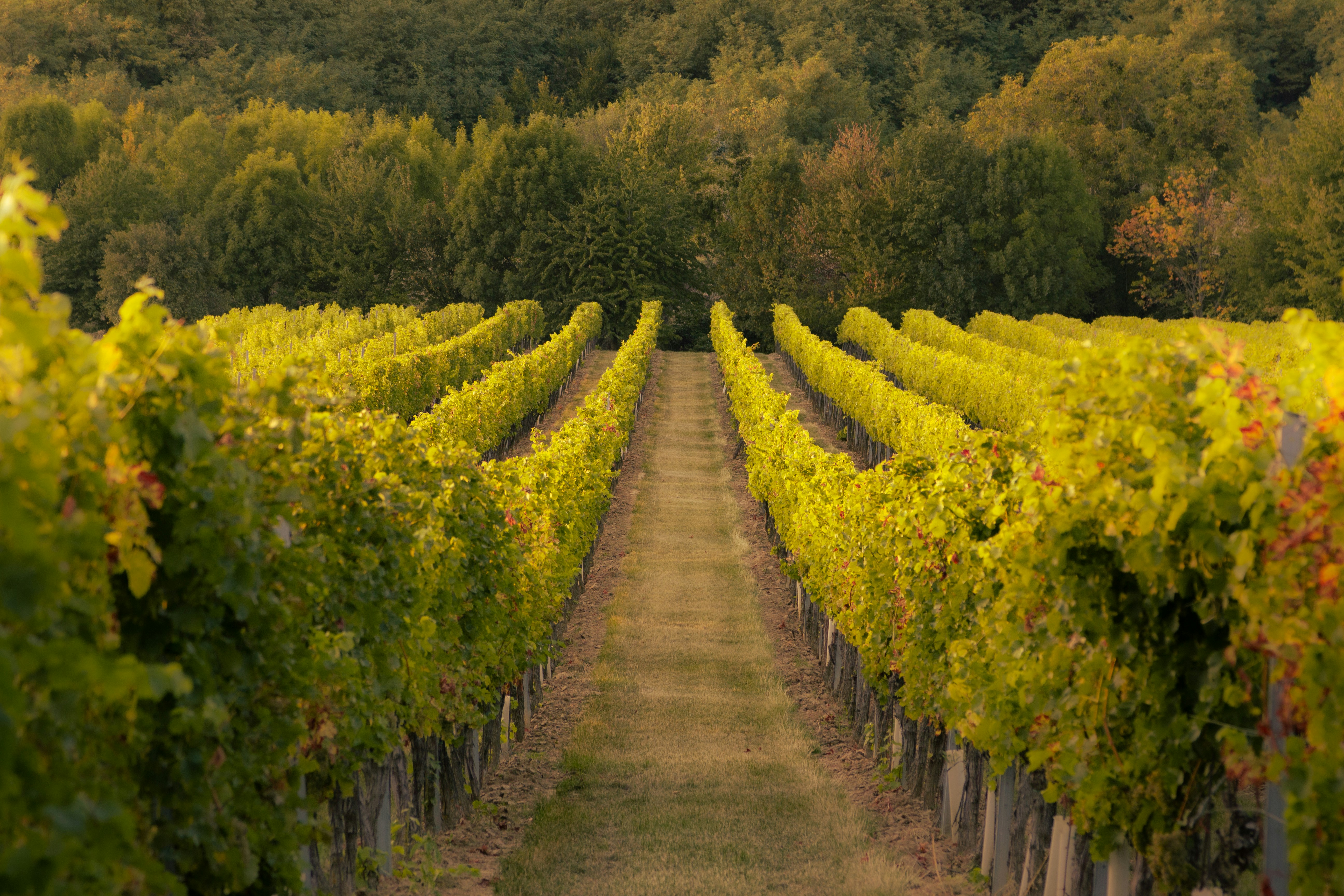
Red wine is a study in contrast -bold yet delicate, structured yet expressive, familiar yet endlessly surprising. Its character is shaped by climate, soil, grape variety, and time, but also by the glass you choose and the moment you’re in. Understanding red wine isn’t about memorizing terminology. It’s about recognizing the elements that shape its personality so you can enjoy every sip more fully.
Body: The Weight of the Wine
Body refers to how heavy or light a wine feels on your palate. It’s not just about alcohol -it’s about texture, richness, and presence.
- Light‑bodied reds (like Pinot Noir) feel silky, delicate, and refreshing.
- Medium‑bodied reds (like Merlot or Sangiovese) offer balance and versatility.
- Full‑bodied reds (like Cabernet Sauvignon or Syrah) feel rich, dense, and powerful.
A well‑designed red wine glass -with a generous bowl and tapered rim -allows the wine to open, soften, and reveal its layers.

Tannins: Structure, Grip, and Elegance
Tannins are naturally occurring compounds in grape skins, seeds, and stems. They create the sensation of dryness or “grip” on your tongue -similar to strong black tea.
- Soft tannins feel smooth and velvety.
- Firm tannins feel structured and bold.
- High tannins can feel intense when young but mellow beautifully with age.
Tannins give red wine its backbone. They’re the reason some wines feel powerful while others feel gentle and approachable.

Acidity: The Brightness That Brings Balance
Acidity is what makes a wine feel lively and refreshing. It lifts flavors, balances richness, and keeps the wine from feeling heavy. Wines from cooler climates (like Burgundy or Northern Italy) tend to have higher acidity, giving them elegance, tension, and energy.
Aromas & Flavor Profiles: What Red Wine Reveals
Red wine expresses itself through layers of aroma and flavor:
- Fruit: cherry, raspberry, blackberry, plum
- Earth: mushroom, forest floor, leather
- Spice: clove, pepper, cinnamon
- Oak: vanilla, cocoa, smoke
- Herbal: eucalyptus, mint, dried herbs
The right glass helps these notes rise and unfold, turning each sip into a sensory experience.
Pairings: Simple, Beautiful, and Uncomplicated
Pairing red wine doesn’t need to be intimidating. Think in terms of weight and intensity.
- Pinot Noir pairs beautifully with roasted chicken, mushrooms, and salmon.
- Merlot complements pasta, pork, and soft cheeses.
- Cabernet Sauvignon shines with steak, aged cheese, and rich sauces.
- Syrah/Shiraz loves barbecue, lamb, and bold spices.
- Sangiovese (like Chianti) pairs effortlessly with tomato‑based dishes.

Serving Temperature
Red wine shows its best character when served slightly chilled -not warm. Light‑bodied reds like Pinot Noir shine around 55°F, while medium and full‑bodied reds taste balanced and expressive between 60–65°F. A gentle chill softens alcohol, brightens fruit, and brings the wine into harmony
For a deeper breakdown of ideal temperatures for every wine style, see our upcoming Wine Serving Temperature Guide.
The Glass Matters
A red wine glass with a wide bowl allows oxygen to soften tannins and release aroma. A tapered rim guides the wine to the right part of your palate, balancing fruit, acidity, and structure. The right glass doesn’t change the wine -it reveals it.
Because red wine isn’t just something you drink. It’s something you experience.
Series Note
This article is part of The Flavor of the Pour, a curated collection of educational and sensory‑driven articles exploring the craft, flavor, and sensory experience behind the world’s most beloved wines and spirits. Check out our next post: Beginner’s Guide to Spirits: Understanding the Basics with Confidence.
Leave a Reply