
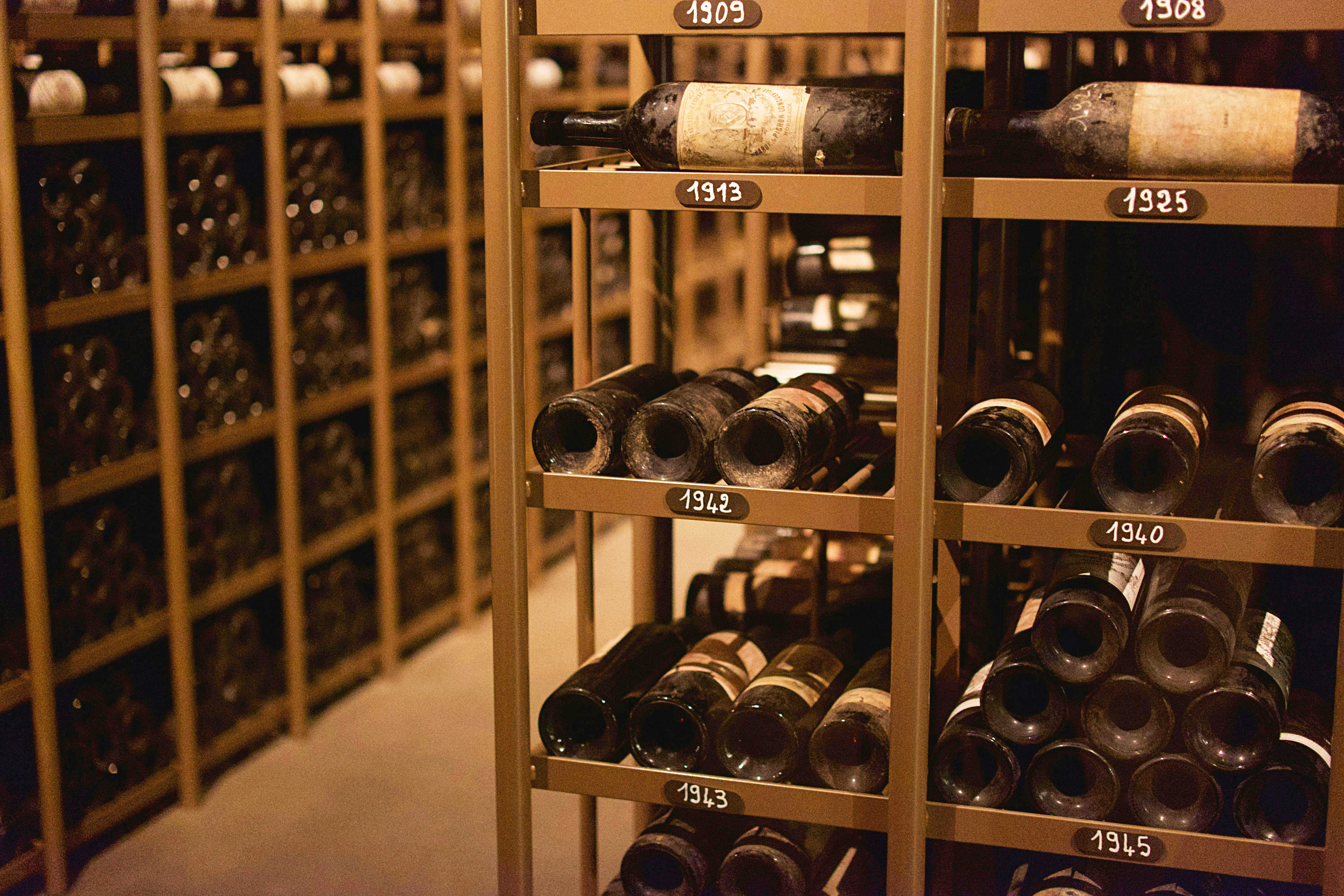
Wine is alive. It breathes, evolves, and responds to its environment long after it leaves the vineyard. Proper wine storage protects the integrity of the pour – preserving aroma, flavor, and structure so the wine tastes exactly as it should when the cork is pulled. Whether you’re keeping a few bottles at home or building a small collection, understanding how to store wine is one of the most valuable skills you can learn.
Because wine isn’t just stored. It’s protected, nurtured, and revealed at the perfect moment.
Temperature: The Most Important Factor
Wine prefers consistency. Fluctuations cause the liquid to expand and contract, pushing the cork and damaging the wine.
Ideal storage temperature: 55°F (or anywhere between 50–60°F)
Avoid storing wine in these areas if possible:
- In hot kitchens
- On sunny countertops
- In garages
- Near appliances
- Anywhere with temperature swings
Heat ages wine prematurely; cold slows it down too much.
Humidity: Protecting the Cork
Corks need moisture to stay sealed. Ideal humidity: 60–70%
Too dry, and the cork shrinks. Too humid, and labels mold – though the wine itself usually survives. If you’re storing wine short term, humidity matters less. For long term aging, it’s essential.
Light: The Silent Enemy
UV light breaks down wine, especially delicate whites and sparkling wines. Even tinted bottles aren’t enough to protect wine from prolonged light exposure. The best practice is to store wine in a dark place – a cabinet, closet, cellar, or wine fridge.

Position: Laying down or Standing Upright
Bottles with corks should be stored on their side. This keeps the cork moist and prevents air from entering the bottle. Screw‑cap wines can be stored upright, but horizontal storage saves space and looks elegant.
Vibration: Keep Wine Still
Wine doesn’t like movement. Vibration disrupts sediment and interferes with aging. Avoid storing wine near:
- Laundry machines
- Speakers
- Heavy foot traffic
- Refrigerators without vibration control
Stillness preserves clarity and balance.
Short‑Term Storage: Everyday Bottles
For wines you plan to drink soon, the rules are simpler — you don’t need perfect conditions, just a cool, dark, stable place.
- In a cool cabinet
- Away from sunlight
- Away from heat sources
A wine fridge is ideal but not required.

Long‑Term Cellaring: Wines That Age Gracefully
Not all wines are meant to age. But those that do – reds with structure, whites with acidity, fortified wines – reward patience.
Wines that age well:
- Cabernet Sauvignon
- Bordeaux blends
- Barolo
- Rioja
- Burgundy
- Riesling
- Sauternes
- Vintage Port
- Madeira
These wines develop complexity, softness, and depth over time.
After Opening: Preserving the Pour
Once opened, wine begins to oxidize.
How long wine lasts after opening:
- Sparkling wine: 1–3 days (with a sparkling stopper)
- Light white & rosé: 3–5 days
- Full‑bodied white: 3–5 days
- Red wine: 3–6 days
- Dessert wine: 1–2 weeks
- Fortified wine: weeks to months
Tools like vacuum pumps or argon gas can extend freshness.
The Glass Matters
Even perfectly stored wine needs the right glass to shine. A well‑designed wine glass reveals aroma, texture, and balance – the final step in honoring the pour.
For reds, a wider bowl allows the wine to open and soften, revealing deeper aromatics. For whites, a narrower bowl preserves freshness and guides delicate aromas. Sparkling wines benefit from a tall, tapered shape that protects the bubbles while focusing the aromatics.
The right glass doesn’t just hold the wine – it elevates the entire experience.

Series Note:
This article is part of The Flavor of the Pour, a curated collection of educational and sensory‑driven articles exploring the craft, flavor, and sensory experience behind the world’s most beloved wines and spirits. Check out our next post: White Wine: Acidity, Minerality, and Aromatics.
Leave a Reply