
Tasting wine is about paying attention. It’s slowing down, noticing the details, and letting aroma, texture, and flavor unfold at their own pace. You don’t need special training or elaborate rituals – just curiosity, a good glass, and a moment to enjoy what’s in front of you. This guide walks through the essentials of tasting wine with confidence and intention.

Look: Color, Clarity, and Viscosity
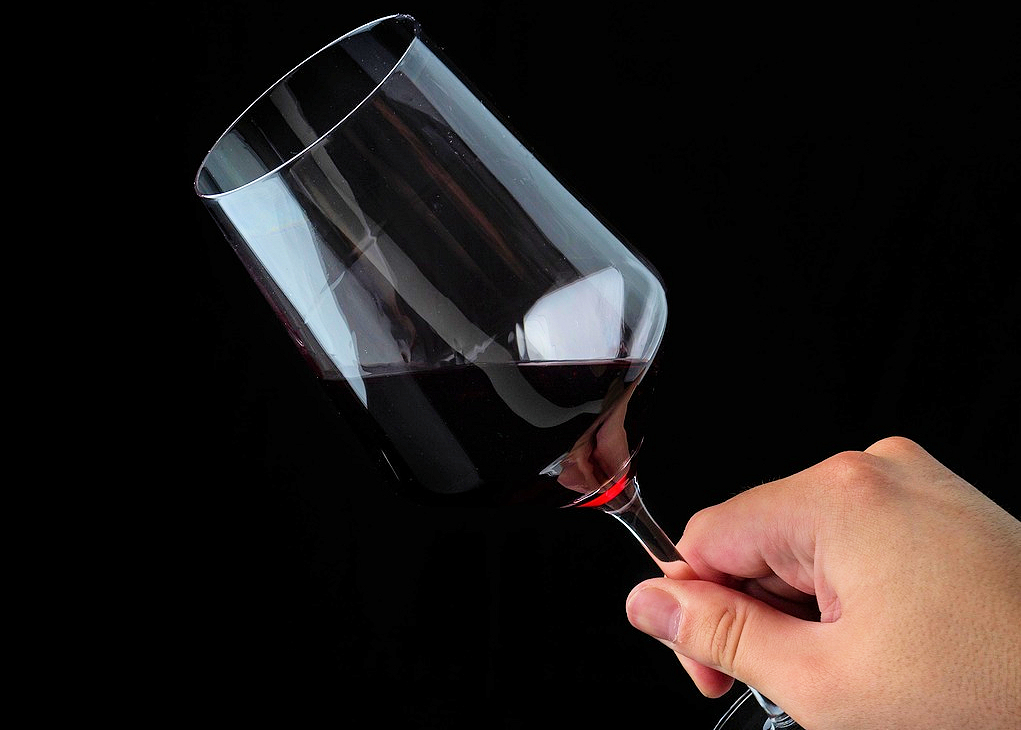
Before you take a sip, pause and let the wine show itself. Hold the glass at an angle and notice the color – how pale, deep, or luminous it appears.
White wines can shimmer from nearly transparent to warm gold, while reds shift from vibrant ruby to softened garnet as they age. Rosé sits somewhere in between, glowing in shades of blush or coral.
Clarity offers another quiet clue. A brilliantly clear wine often reflects careful winemaking, while a gentle haze may signal minimal filtration or a more natural style. Neither is inherently better – they simply tell different stories.
When you swirl the glass, watch how the wine moves. The slow trails that form along the sides – the “legs” – hint at its weight and richness. A wine that clings to the glass often has more body, sweetness, or alcohol; one that falls quickly tends to be lighter and more delicate. Viscosity doesn’t measure quality, but it does reveal character.
Looking is the moment where curiosity begins – a quiet invitation into everything the wine is about to reveal.

Smell: Aromatics & Expression
Aromas are the heart of wine tasting. Swirl the glass to release them, then take a slow steady inhale.
What rises first is the wine’s personality – its fruit, its flowers, its herbs, its quiet hints of spice. These are the primary aromas, shaped by the grape itself.
As you linger, deeper layers begin to appear. Winemaking choices can add notes of cream, brioche, toast, or warm nuttiness. With age, the wine softens into more contemplative tones: dried fruit, honey, leather, earth. None of these need to be named perfectly; the goal is simply to notice what the wine is offering.
Aromatics are the story before the sip—the first impression that sets the stage for everything that follows.

Taste: Flavor, Texture & Balance
Tasting is where everything you’ve seen and smelled finally comes together. Take a sip and let the wine move slowly across your palate.
Notice the first impression – whether it feels bright, soft, generous, or restrained. As it settles, the structure begins to reveal itself.
Acidity brings lift and freshness. Tannin, in red wines, adds shape and gentle grip. Alcohol contributes warmth and weight. Sweetness, whether present or not, influences how round or lean the wine feels.
Texture is just as important as flavor. Some wines glide across the palate with silkiness; others feel crisp, taut, or almost salty. Body gives you a sense of the wine’s presence – light and delicate, medium and balanced, or full and enveloping.
As you swallow, pay attention to the finish: how long the flavors linger, how they evolve, and what they leave behind.
Tasting isn’t about identifying every note. It’s about noticing how the wine behaves – how its elements interact, how it moves, and how it makes you feel in the moment.
Reflect: What Did You Experience?
Reflection is the quiet final step – the moment where the wine settles and you understand it a little more clearly. Think about what stood out: the flavors that lingered, the textures that surprised you, the balance between brightness and weight. Notice whether the wine changed as it opened, or if new layers appeared with each sip.
There’s no scorecard, no right or wrong. Reflection is simply paying attention to your own experience and letting the wine speak in its own way.

The Role of Glassware
The glass you choose shapes the entire experience. A well‑designed wine glass gathers aromatics, guides the wine to the right part of your palate, and highlights texture and balance.
It doesn’t change the wine – it reveals it. The right shape turns a simple sip into something more expressive, more focused, more alive.
Serving Temperature
Temperature influences everything: aroma, texture, flavor, and even the way the wine moves in the glass. Too cold and the wine tightens; too warm and it loses its precision. Each style has its sweet spot. For a full breakdown of ideal temperatures, see our Wine Serving Temperature Guide.
Practice Makes Pleasure
The more you taste, the more you notice. Over time, wine becomes less about rules and more about discovery – a sensory journey shaped by curiosity, memory, and joy. Tasting isn’t about expertise. It’s about being present with the moment in your glass.

Series Note
This article is part of The Flavor of the Pour, a curated collection of educational and sensory‑driven articles exploring the craft, flavor, and sensory experience behind the world’s most beloved wines and spirits. If you enjoyed this guide you will enjoy other posts in our Wine Blog Series. Check out our next post: Rum: Warmth, Spice, and Island Character.