
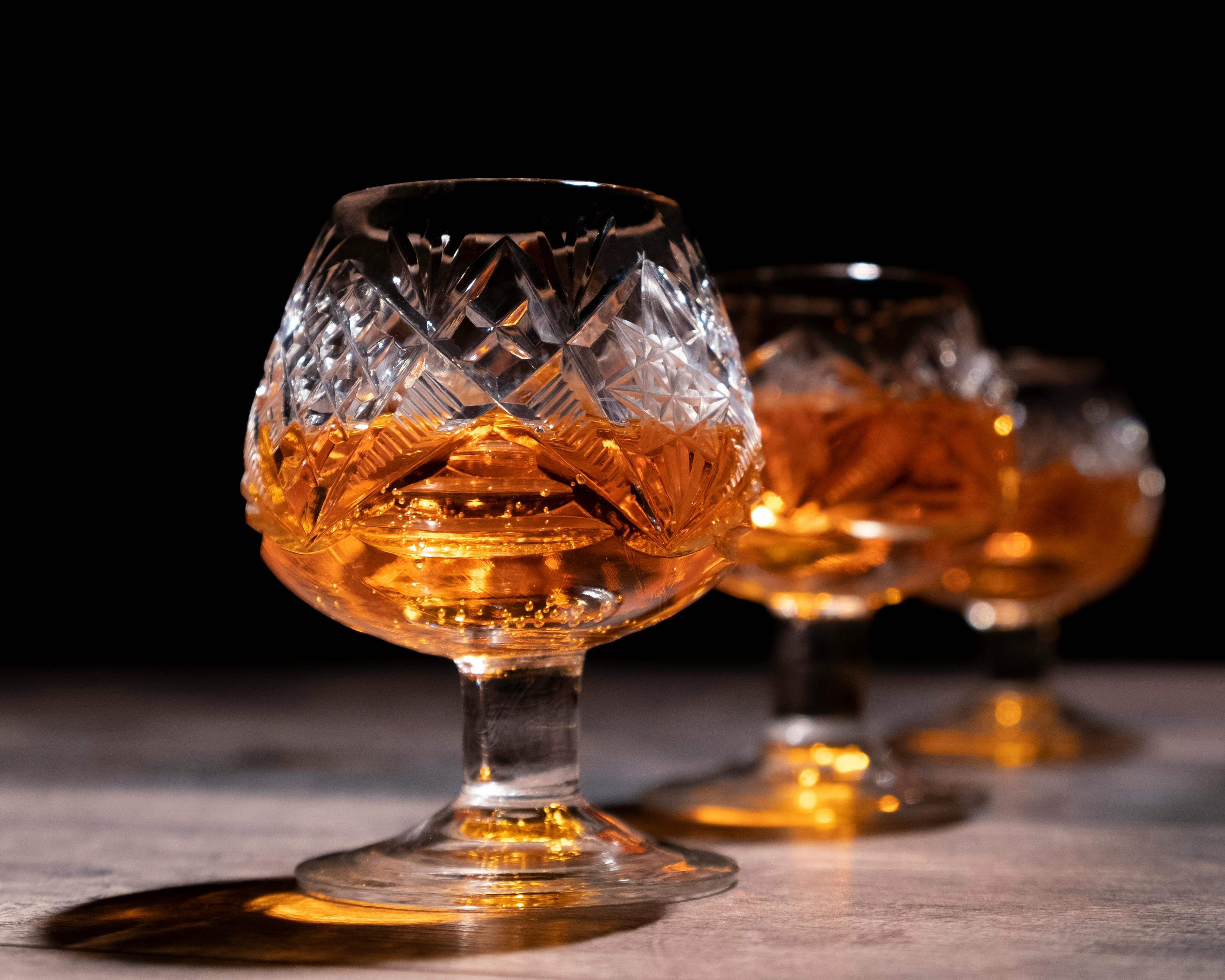
Brandy is a spirit born from fruit – a transformation of grapes, apples, pears, and other orchard treasures into something warm, refined, and deeply expressive. It’s one of the oldest distilled spirits in the world, yet it often sits quietly in the background, overshadowed by whiskey or rum. But brandy has a grace all its own. It’s soft where other spirits are sharp, aromatic where others are bold, and endlessly nuanced when you give it time in the glass.
This guide explores brandy in its broadest sense – and then dives into the two French icons that have elevated it into an art form: Cognac and Armagnac.
A Spirit Rooted in Fruit
At its core, brandy is distilled wine – but that simple definition doesn’t capture its beauty. When wine is heated and condensed, the fruit becomes concentrated, the aromatics intensify, and the texture turns silky and warm. The result is a spirit that still carries the soul of the fruit it came from.
While grape‑based brandies are the most famous, apple brandy, pear brandy, and other fruit distillates offer their own charm. Each one reflects the orchard, the climate, and the harvest.
Brandy is fruit transformed – a spirit shaped by land, season, and time.

Cognac & Armagnac: The Icons of France
Two regions in France have elevated brandy into something truly extraordinary. Cognac and Armagnac share a foundation in fruit and fire, yet they speak with entirely different voices.
- Cognac: Polished, Refined, and Silky
Produced north of Bordeaux, Cognac is distilled twice in copper pot stills, creating a smooth, elegant spirit with lifted aromatics. The chalky soils and maritime climate of the region produce grapes, especially Ugni Blanc, that distill into a clean, refined base.
Aged in French oak, Cognac develops notes of vanilla, dried fruit, caramel, and gentle spice. It feels like silk: balanced, polished, and quietly luxurious.
- Armagnac: Rustic, Soulful, and Expressive
Armagnac comes from Gascony, a rural region known for its rolling hills, clay‑limestone soils, and slower pace of life. Here, the wines are fuller and more rustic, giving the spirit a deeper, earthier character.
Distilled once, often in a continuous column still unique to the region, Armagnac preserves more of the grape’s natural personality. It’s richer, warmer, and more textured than Cognac, with notes of prune, fig, tobacco, spice, and roasted nuts.
If Cognac is a symphony, Armagnac is jazz.
Aging: Time as a Sculptor
Brandy’s aging process is where the magic happens. As it rests in oak barrels, the spirit softens, deepens, and takes on layers of flavor. Younger brandies are bright and fruit‑forward, while older expressions become rich, contemplative, and almost dessert‑like.
Labels like VS, VSOP, and XO indicate how long the youngest component has aged:
- VS: at least 2 years
- VSOP: at least 4 years
- XO: at least 10 years (often much older)
Armagnac producers frequently release vintage bottlings, a rarity in the spirits world – each one a snapshot of a single harvest.
Time adds warmth, spice, and a velvety texture that lingers long after the sip.

Aromatics: What These Spirits Reveal
Brandy, Cognac, and Armagnac are among the most aromatic spirits in the world. A single glass can reveal:
- dried apricot
- vanilla
- caramel
- toasted oak
- honey
- baking spice
- orange peel
- fig
- roasted nuts
- tobacco
- earthy warmth
The aromatics alone can feel like a dessert.
How to Serve Brandy, Cognac & Armagnac
These spirits shine in a tulip‑shaped glass – something that narrows at the top to concentrate aromatics. Serve at room temperature and give the spirit a moment to breathe. The warmth of your hand gently coaxes out deeper notes.
Cognac is often enjoyed before or after dinner. Armagnac is a slow, after‑dinner companion – something to savor.

The Glass Matters
The right glass doesn’t change the spirit – it reveals it. A tulip glass gathers aromatics, softens the edges of alcohol, and highlights the layers that make brandy, Cognac, and Armagnac so expressive. A wide bowl allows the spirit to open, while the narrower rim focuses the aromas toward your nose. Avoid oversized snifters; they can overwhelm the senses with alcohol rather than nuance.
A well‑chosen glass turns the experience into something intentional, elegant, and deeply sensory.
Pairings: Warmth Meets Richness
Brandy and its French cousins pair beautifully with foods that echo their warmth and fruit:
- dark chocolate
- roasted nuts
- caramel desserts
- aged cheeses
- spiced pastries
- dried fruit
- cigars
They’re also beautiful after dinner companions – a slow, thoughtful way to end an evening.
Which One Should You Choose?
If you love elegance, smoothness, and refinement, Cognac will feel like home. If you prefer depth, warmth, and a touch of rustic charm, Armagnac will speak to you. If you want fruit‑driven character with regional variation, explore brandy in all its forms.
There’s no right answer – only preference.

Because These Spirits Aren’t Just Brandy
They’re heritage. Craft. A reflection of the land and the people who have shaped them for generations.
Brandy, Cognac, and Armagnac invite you to slow down, savor, and appreciate the quiet luxury of fruit transformed by time.
Series Note:
This article is part of The Flavor of the Pour, a curated collection of educational and sensory‑driven articles exploring the craft, flavor, and sensory experience behind the world’s most beloved wines and spirits. Be sure to check out our Wine Series as well as our Spirits Series.