
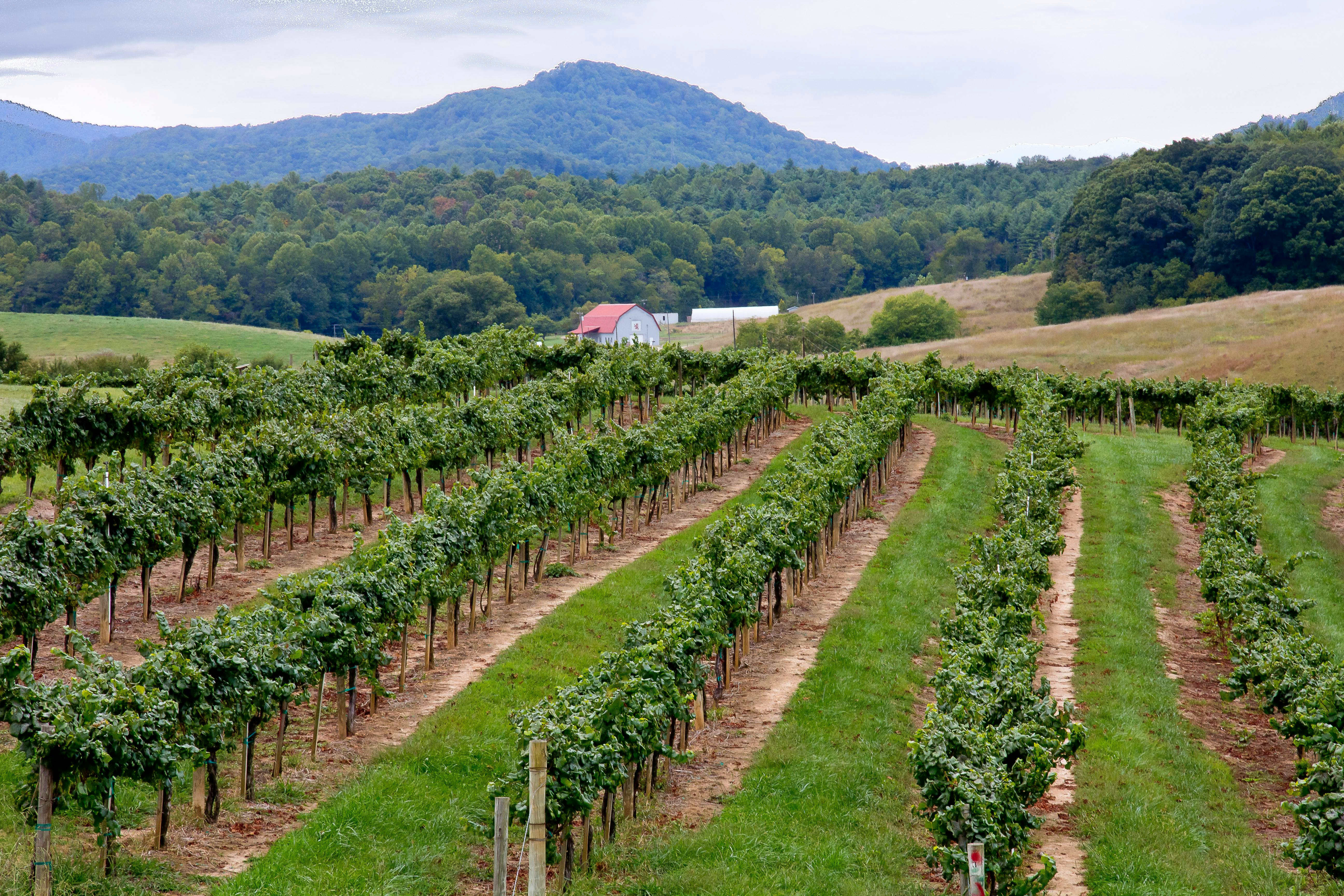
Wine has always been a product of the earth — soil, sun, rain, and the hands that tend the vines. But in recent years, terms like natural, organic, and biodynamic have become part of the conversation, often used interchangeably even though they mean very different things. Each represents a philosophy, a farming approach, and a way of thinking about what wine should be.
This guide breaks down the differences in a clear, approachable way so you can understand what’s in your glass and choose wines that align with your values, your palate, or your curiosity.
Natural Wine: Minimal Intervention, Maximum Expression
Natural wine isn’t a legal category – it’s a philosophy. The goal is simple: let the wine taste like the place it came from, with as little interference as possible.
Natural wines typically involve:
- organic or biodynamic farming
- native (wild) yeast fermentation
- little to no fining or filtering
- minimal or zero added sulfites
These wines can be vibrant, alive, and expressive — sometimes rustic, sometimes cloudy, sometimes surprising. They’re the closest thing to tasting wine “straight from the cellar,” unpolished and honest.
Sulfite levels: often extremely low, sometimes zero added
Personality: wild, energetic, unpredictable, soulful

Organic Wine: Farming Without Synthetics
Organic wine focuses on how the grapes are grown. Vineyards must follow certified organic farming practices, which prohibit synthetic pesticides, herbicides, and fertilizers.
Winemaking rules vary by region:
- In the U.S., “USDA Organic Wine” means no added sulfites and less than 10 ppm of naturally occurring sulfites.
- In the EU, organic wine may contain added sulfites, but at lower levels than conventional wine.
- Sulfite levels: U.S. certified organic wine: no added sulfites
- EU organic wine: reduced sulfites allowed
Organic wines tend to be clean, fresh, fruit‑forward, and environmentally conscious.

Organic Wine vs. Wine Made With Organic Grapes
In the U.S., “organic wine” is tightly regulated under the USDA. To qualify:
- 100% of the grapes must be certified organic
- Winemaking must follow strict organic rules
- Added sulfites are not allowed
Wines labeled “made with organic grapes” still use certified organic fruit, but:
- added sulfites are allowed (up to 100 ppm)
- they cannot use the USDA Organic seal
- the label must list the certifying agent
It’s a subtle distinction, but an important one — especially if you’re sensitive to sulfites or seeking truly low‑intervention wine.
For more details, visit the USDA website: https://www.usda.gov/about-usda/news/blog/organic-101-organic-wine
Biodynamic Wine: Farming by the Rhythm of Nature
Biodynamic farming goes beyond organic. It treats the vineyard as a living ecosystem — soil, plants, animals, insects, and even lunar cycles working together in balance.
Biodynamic winemakers:
- use organic farming practices
- rely on natural composts and preparations
- avoid synthetic chemicals
- avoid commercial yeast
- follow a biodynamic calendar for vineyard tasks
Additional sulfites are allowed (up to 100 ppm), but typically used sparingly.
Personality: pure, structured, expressive, often with a strong sense of place

So Which One Should You Choose?
There’s no hierarchy — just different philosophies.
- Choose natural wine if you love adventure, authenticity, and wines that feel alive.
- Choose organic wine if you value sustainability and clean farming.
- Choose biodynamic wine if you’re drawn to purity,
- and wines that reflect the land with remarkable clarity.
All three offer something meaningful. All three invite you to taste wine through a different lens.
How They Compare at a Glance
| Style | Farming | Winemaking | Sulfites | Personality |
|---|---|---|---|---|
| Natural | Organic or biodynamic | Minimal intervention, wild yeast, unfiltered | Very low or none | Wild, rustic, expressive |
| Organic | Certified organic | Varies by region | None (U.S.) or reduced (EU) | Clean, fresh, fruit‑forward |
| Biodynamic | Biodynamic certified | Holistic, lunar cycles, natural preparations | Allowed but minimal | Pure, structured, terroir‑driven |
Because Wine Isn’t Just a Beverage
It’s a reflection of the land — a conversation between nature and the winemaker. A choice about how we want to grow, craft, and enjoy what’s in our glass.
Understanding these categories helps you choose wines that feel aligned with your taste, your values, and your curiosity.
If you’re exploring natural, organic, or biodynamic wines, the glass you choose matters. Discover our handcrafted wine glasses designed for clarity, aroma, and balance.
Series Note
This article is part of The Flavor of the Pour, an educational series exploring the craft, flavor, and sensory experience behind the world’s most beloved wines and spirits.
Check out our next post: Red Wine: Body, Tannins, and Pairings
Leave a Reply