
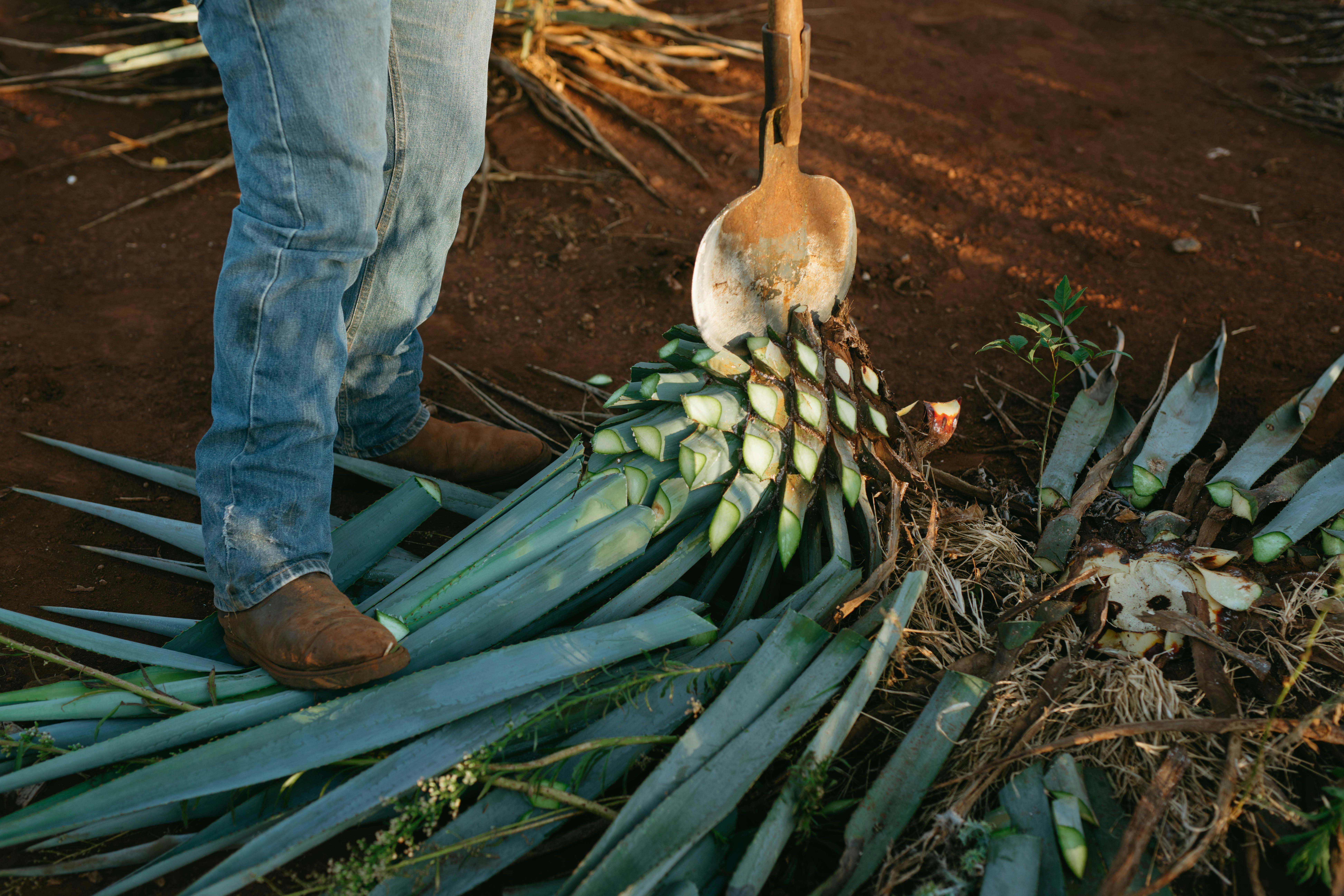
Mezcal is one of the oldest spirits in the Americas -a drink shaped by fire, earth, and tradition. If tequila is the polished, structured sibling, mezcal is the soulful one: rustic, expressive, and deeply tied to the land. Every bottle carries the fingerprint of the village where it was made, the agave that was harvested, and the hands that crafted it. Mezcal isn’t just a spirit; it’s a cultural inheritance.
A Spirit Born From the Earth
Mezcal begins with agave, but unlike tequila -which must use Blue Weber -mezcal can be made from dozens of agave varieties. Each one brings its own personality. Some are bright and citrusy, others earthy and mineral, and some taste almost like wild herbs or roasted fruit. The diversity is astonishing, and it’s part of what makes mezcal so captivating.

The Heart of the Process: Fire and Smoke
What sets mezcal apart is how the agave is cooked. Instead of steam ovens, mezcaleros roast the piñas in underground earthen pits lined with hot stones. The agave caramelizes slowly over days, absorbing smoke and earth. This is where mezcal gets its signature character – not harsh or overpowering, but warm, savory, and layered.
The roasting process is ancient, and it’s still done by hand in many communities. It’s labor‑intensive, time‑consuming, and deeply artisanal.
Wild vs. Cultivated Agave
Some mezcals are made from cultivated agave, but many still rely on wild plants harvested from the hillsides. Wild agave can take decades to mature, and each plant develops unique flavors based on its environment. This is why mezcal often tastes like the landscape itself -rugged, herbal, mineral, smoky, alive.
Production: A Craft Passed Down Through Generations
After roasting, the agave is crushed -often by a tahona pulled by a horse or mule -then fermented in open‑air wooden vats. Natural yeasts do the work, influenced by the climate, the village, and even the microbes in the air. Distillation usually happens in small copper or clay stills, producing tiny batches with enormous character.
Mezcal is one of the few spirits where you can taste the hand of the maker. No two batches are ever exactly the same.

Styles: A Spectrum of Smoke and Flavor
Mezcal isn’t defined by smoke alone. Depending on the agave variety and the production method, it can be:
- bright and citrusy
- earthy and mineral
- floral and delicate
- savory and smoky
- rich and resinous
Espadín is the most common variety – approachable, balanced, and perfect for beginners. Tobalá, Tepeztate, and Madrecuixe offer more exotic, wild expressions with incredible depth.
Aromatics: What Mezcal Reveals
Lift a glass of mezcal and you’ll find aromas that feel grounded and elemental. Smoke is there, but so are notes of roasted agave, pepper, citrus peel, herbs, clay, and sometimes even tropical fruit. Mezcal is a spirit that rewards slow exploration.
How to Serve Mezcal
Mezcal shines when sipped slowly from a small tasting glass or a copita. The wider opening allows the aromatics to bloom, revealing layers that would be lost in a shot glass. Serve it at room temperature and take your time – mezcal is meant to be savored.

Pairings: Earthy Meets Fresh
Mezcal pairs beautifully with foods that echo its earthy, smoky character:
- grilled vegetables
- roasted meats
- mole
- citrus‑driven dishes
- fresh herbs
- spicy foods
It also pairs surprisingly well with chocolate, especially dark or spiced varieties.
Mezcal and Tequila: Same Roots, Different Stories
Tequila is technically a type of mezcal, but mezcal is broader, older, and more diverse. If tequila is precision, mezcal is poetry – expressive, wild, and deeply tied to tradition.
For more information on Tequila see our previous post: Tequila: Agave, Terroir, and Tradition.
Because Mezcal Isn’t Just a Spirit
It’s a craft. A heritage. A connection to the land and the people who have shaped it for centuries. When you sip mezcal, you’re tasting history – smoky, earthy, and beautifully alive.
Series Note
This article is part of The Flavor of the Pour, a curated collection of educational and sensory‑driven articles exploring the craft, flavor, and sensory experience behind the world’s most beloved wines and spirits. Check out our next post: Wine Storage & Cellaring: Protecting the Pour.
Leave a Reply